Last fall, when Chroma Cameras posted to social media about their Cube-24x24mm Pinhole Camera, the comments included: "How Cute!," "24x24mm format pinhole! Who'd have ever thought of that?" and the inevitable "Are pinhole pictures on 35mm film any good?"
It looks like a nice camera. The pinhole is 30mm from the 24x24mm frame, so it's really not cubic.
To respond to all this, I got out the 24x24x24mm Manic Expression Cube and loaded it with the new Kodak Pro Image 100. It's only available in "36 exposure" rolls. A lot of film, but this camera is all about spontaneous, intense bouts of image making.
A month before the solstice, I was already somewhat obsessed with the low angle of the sun. Here it struggles through the overcast and is reflected on the south lagoon of the county park,


Taking advantage of the berm to get a slightly higher view of the landscape.

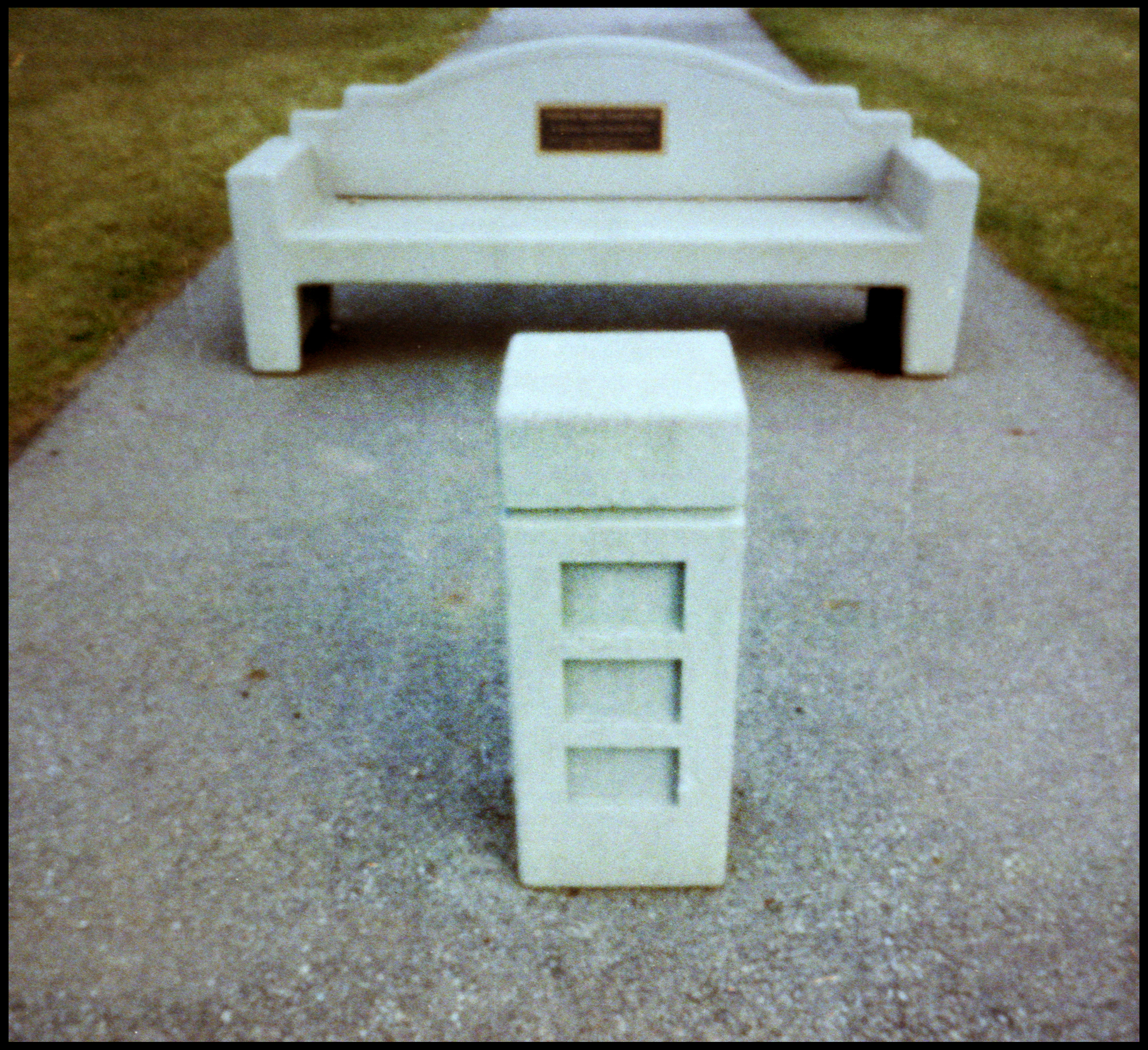
By the Rugby field, there is a stone bench and small monument to the founder of the local league..
A small dock in the north lagoon with a place to lean your fishing pole.

At some distance from the other structures, sitting on a concrete slab by itself, is this house-sized machine that probably has something to do with HVAC at Parkview Health Center.

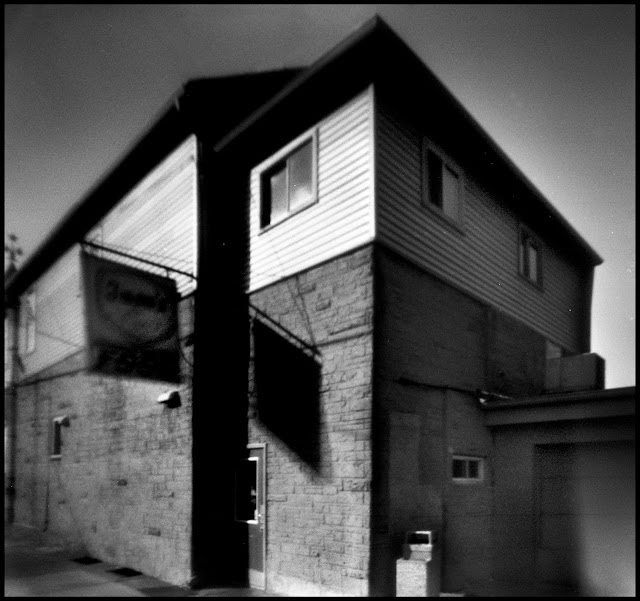
Yep, Baltimore Aircoil Company. There's only this small access port on one side.

For a week, we'd had freezing temperatures overnight and all day a few times, so ice was starting to form on Miller’s Bay. The ducks like to hang out at the edge.

Nearer to Ames’ Point, where it's more protected, a thin transparent layer of ice covers the bay, with an occasional weed blown out from the shore sitting on it.

When I had last gone to Asylum Point with Neville, there were just concrete footings for the new bridge. Three years after the old one was destroyed by an ice shove, there is again access to the little island at the end of the point.

They brought it in and installed it in a single day.

It looks pretty well attached. It's made from this special steel that oxidizes on the surface which protects the rest of the piece. My dad ran a factory that built feed and fertilizer mixers from raw steel so I always heard about the latest innovations.

The lighthouse was built by the Works Progress Administration but the Department of Transportation decided it wasn't necessary and it's never been lit.

The rest of the island is unimproved except for a few foot paths.

Just off shore, this odd little ball was lying on the surface. I put the tripod out as far on the ice as I could reach.

The end of the point itself is a county maintenance yard occupied by this utilitarian looking boat.

We did go out once when Andy and Kristin visited in the middle of the Omicron wave to have lunch in one of the plastic domes at the Fox River Brewing Company, but I forgot the camera! About a month later, Sarah and I went again so I could make up for it.




Sarah perusing the same old set of sandwiches and salads, served in overly large portions. We had two lunches from the leftovers of her Original Crunch Tenders. I don't remember what I had but fresh hot French Fries are always a treat.

The weather was not that bad and it was plenty cozy inside the dome. There was a large flag flapping violently in the wind atop the Paine Apartments which, along with the dark clouds, gave the impression of being in a cold wintry environment.

The camera was in my pocket when I went to pick up my photograph which had been in a juried show at the Neville Public Museum in Green Bay. I was a little apprehensive because they had edited my artist statement to read that my cameras were made out of hand-made cardboard using a pinhole lens. The nice lady apologized and said the person who had done that was no longer with them. The picture sat on display in the living room for several weeks.

The ghost pillow in the Sunroom has been such a comfort during recent current events by freaking out so we don't have to.

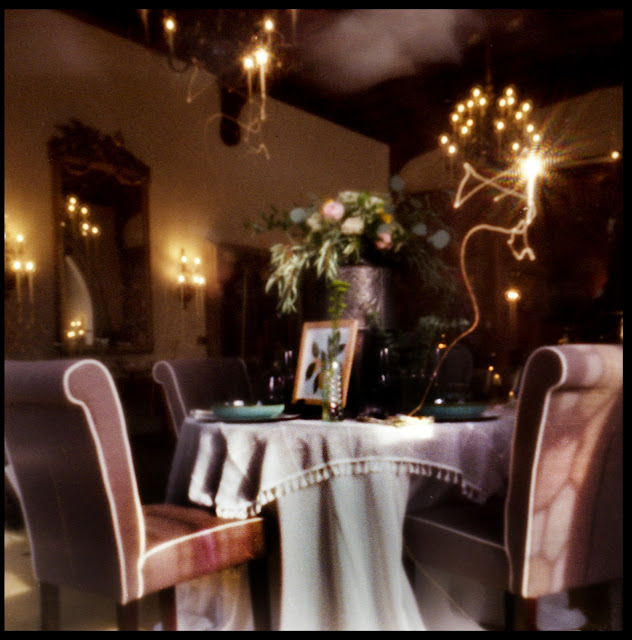
The Paine Art Center's annual Rooms of Blooms event has become de rigueur for florists and decorators in the Fox Valley. The museum is filled with creative arrangements of flowers. We were planning to have tea in the well-lit conservatory later so I put the camera in my pocket, but I didn't expect to use it in the mansion. It was more well lit in places and I kept seeing where I could hold the camera against a door frame or hand rail, maybe long enough to get an image. The spots available were somewhat limited so there wasn't always much choice in what was in the scene. The Breakfast room is the brightest in the house. I held the camera against the little lectern with the notes describing the room.

It was busy enough that I couldn't stay long in any one place. Most people would stop and look at the flowers for some time, so it wasn't unusual that I was leaning against the door.

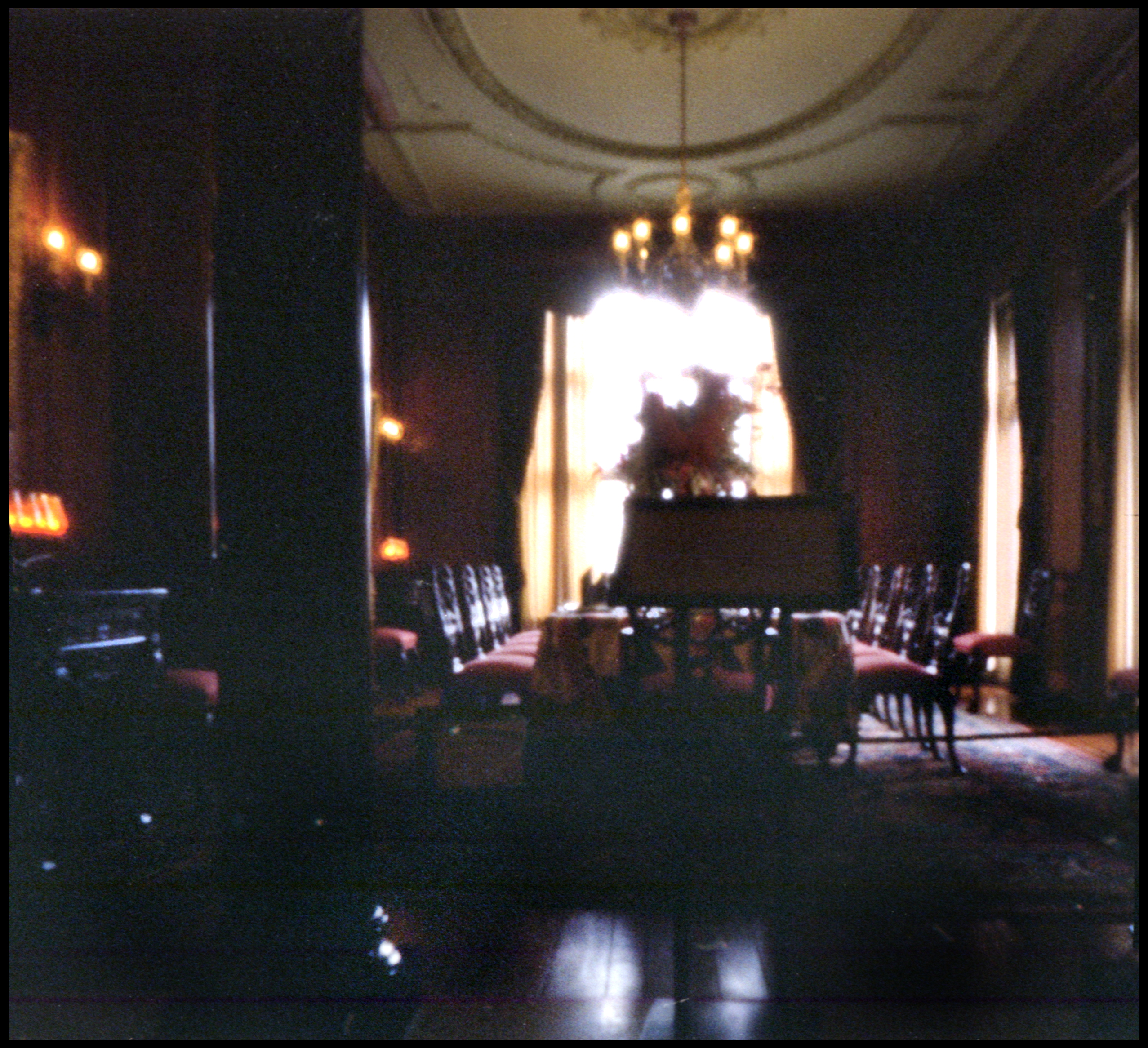
The dining room isn't as well lit. I left the camera on a small marble table against the inside wall. The image is more underexposed than I expected because people in black coats kept having conversations right in front of it instead of looking at the flowers.
I noticed the Breakfast Room was empty so I had another chance at a better but more wiggly composition

Across the hall, a sunbeam falls on a bouquet in the library.
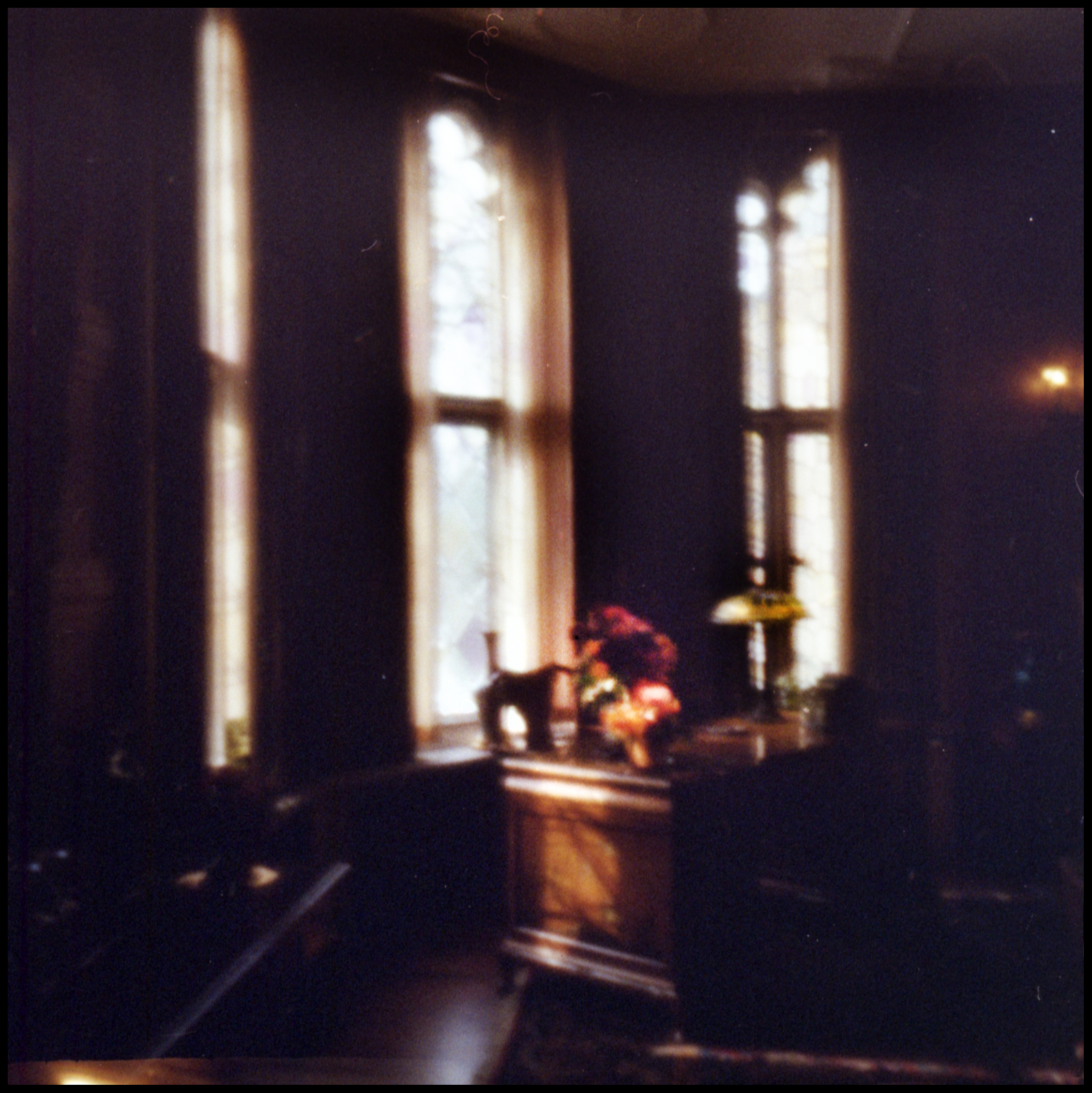
It seems to be popular recently to have some kind of competition or vote associated with an exhibit to give attendees some sense of participation. The main event is in the great hall where a half-dozen tables are done up with elaborate floral arrangements and fanciful place settings.

Having your display in the alcove with sunbeams through the tall leaded-glass windows has got to be an advantage. I wonder if they have a lottery to see who gets that spot.

The local Bonsai association had a display upstairs in the landing below the Gothic Gallery.

The conservatory featured installations of giant crystal fixtures over a platform covered in pink flowers.
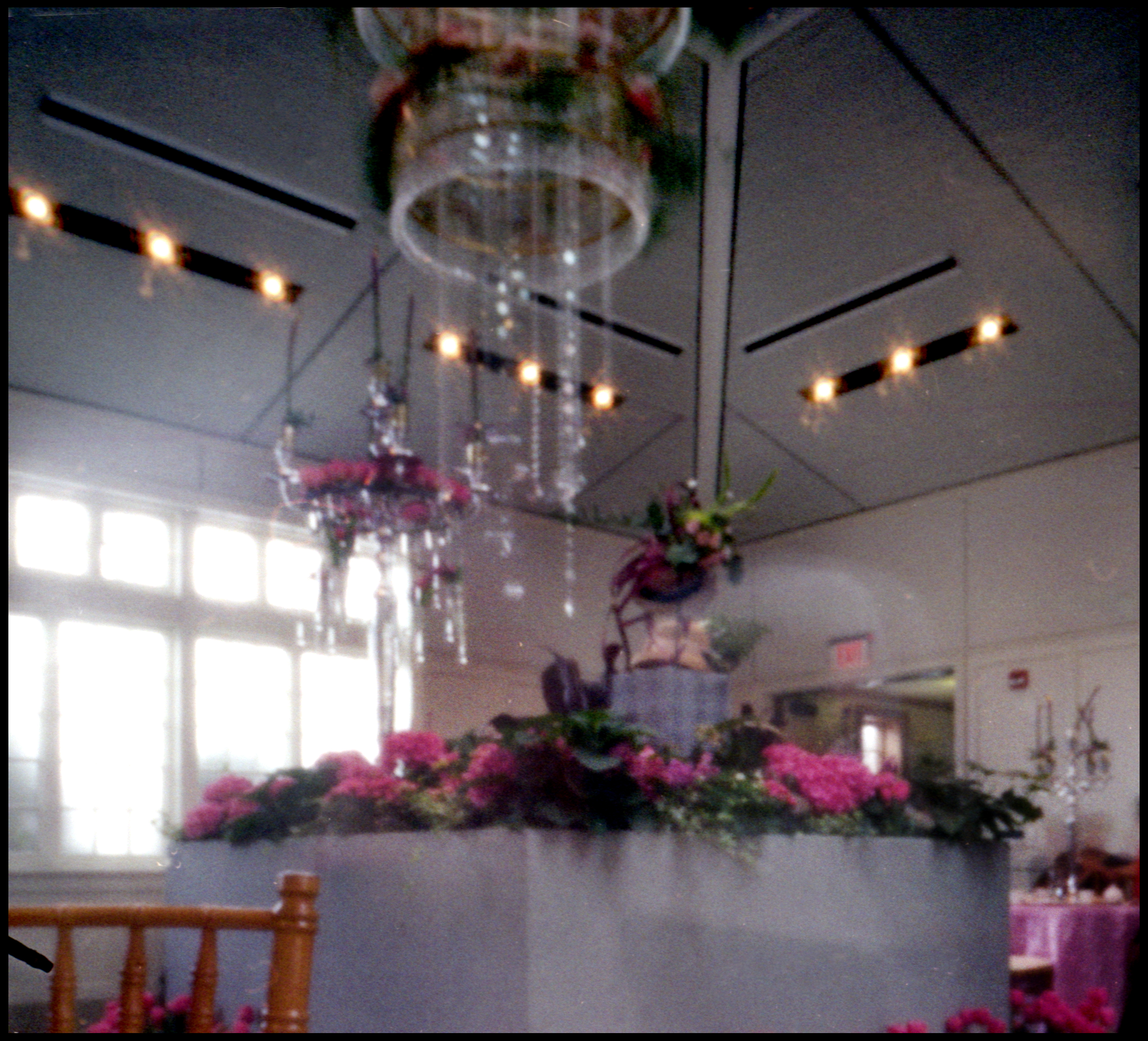
They were bordered by rows of tulips on the floor.

I usually don't like tea, but the strong Earl Grey, properly brewed by pouring boiling water over the a tea bag, wasn't bad.

On the first warmish day in March, I went back out to see how the bridge had managed to survive the ice.

The lake hadn't broken up yet so we'll have to wait a while to see how it stands up to the shoves.

A different perspective from down near the water.

I noticed there was a small window. The little camera was small enough to fit between the bars so I could lean it right up against the glass.

The ice fishers tend to congregate near where the fishing clubs make the roads. This one red shack was sitting alone at the mouth of the bay.

The Manic Expression Cube has a hand-drilled .17mm pinhole 24mm from a 24x24mm frame.